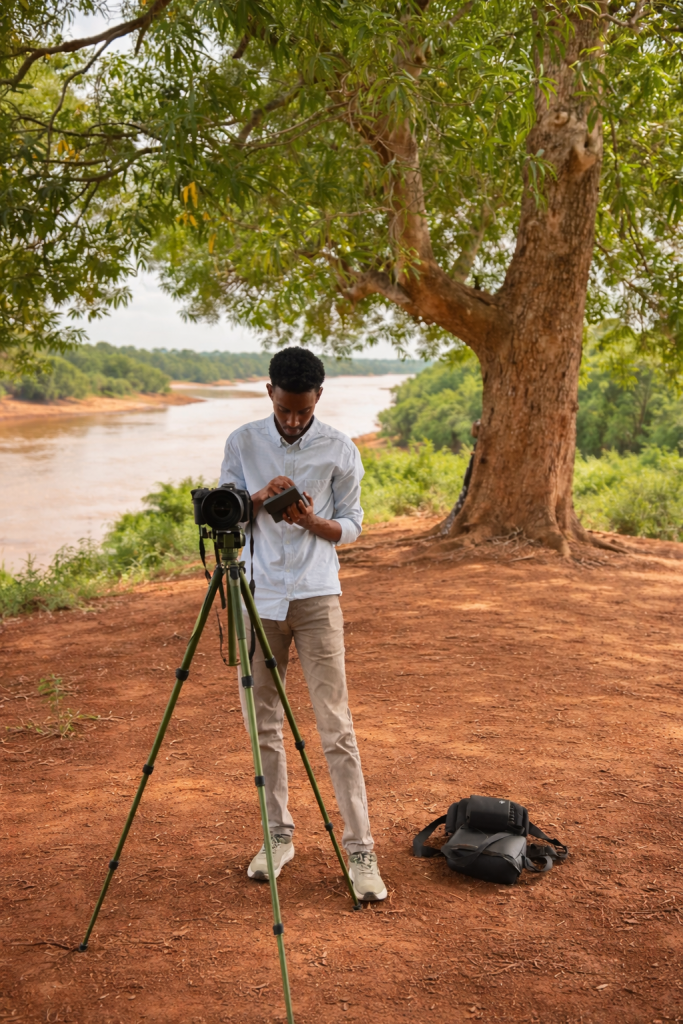
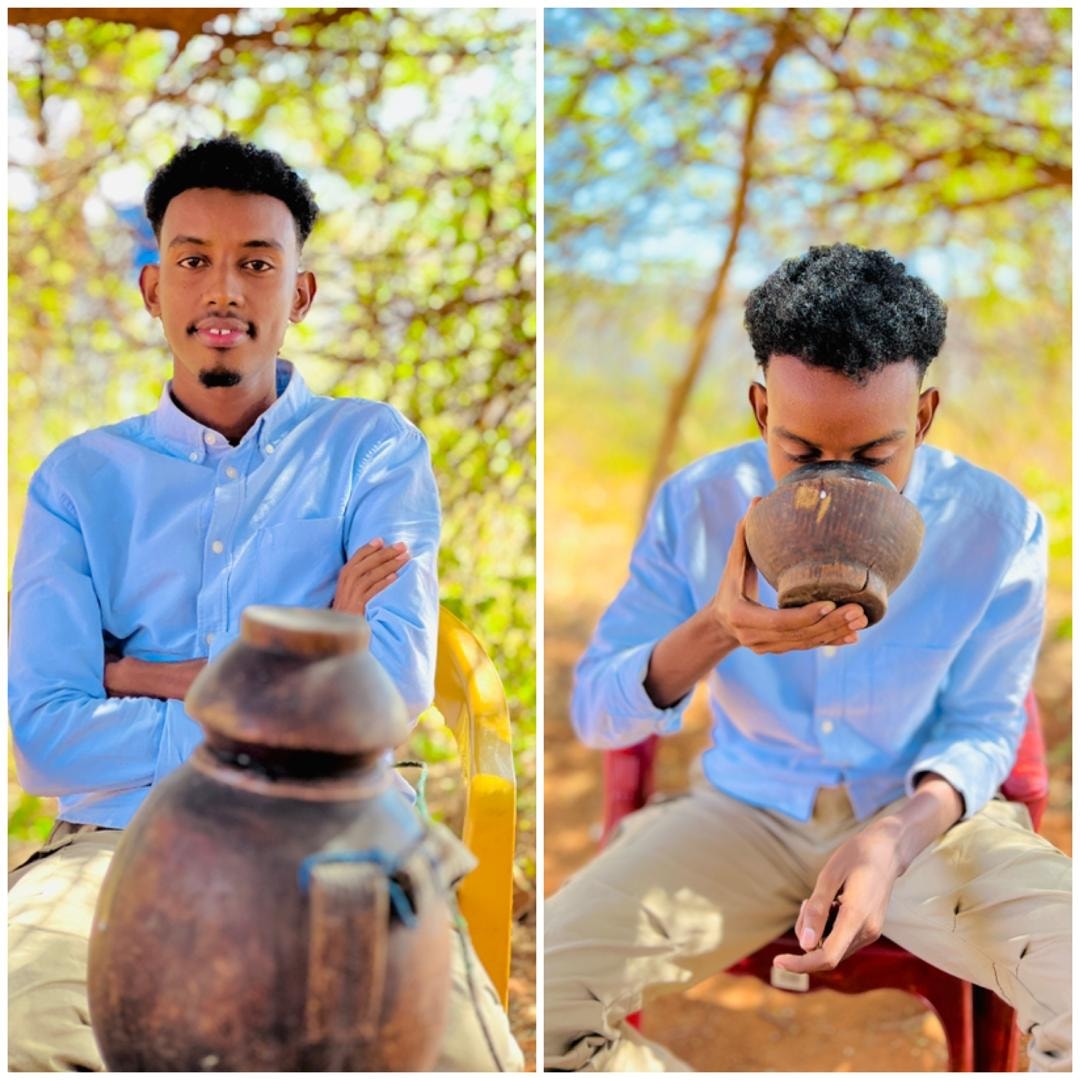
Photographer and blogger at IOM Somali Mission, focused on visual storytelling, communication, and content that informs, inspires, and connects people.
I am a photographer and blogger with a passion for visual storytelling and communication. I currently work as a Communications Assistant at IOM Somali Mission, where I support impactful storytelling and content creation.
Through my work, I focus on capturing meaningful moments and sharing stories that inform, inspire, and connect people.
Latest Blogs
Reflections on photography, communication, and meaningful stories from the field.
Between Borders and Stories: My Journey to Dolow and Beledhawo
Over the past two years, I have had the privilege of visiting many towns across Somalia, yet I had never set foot in any of the towns in the Gedo region. That c...
Yusuf Banani
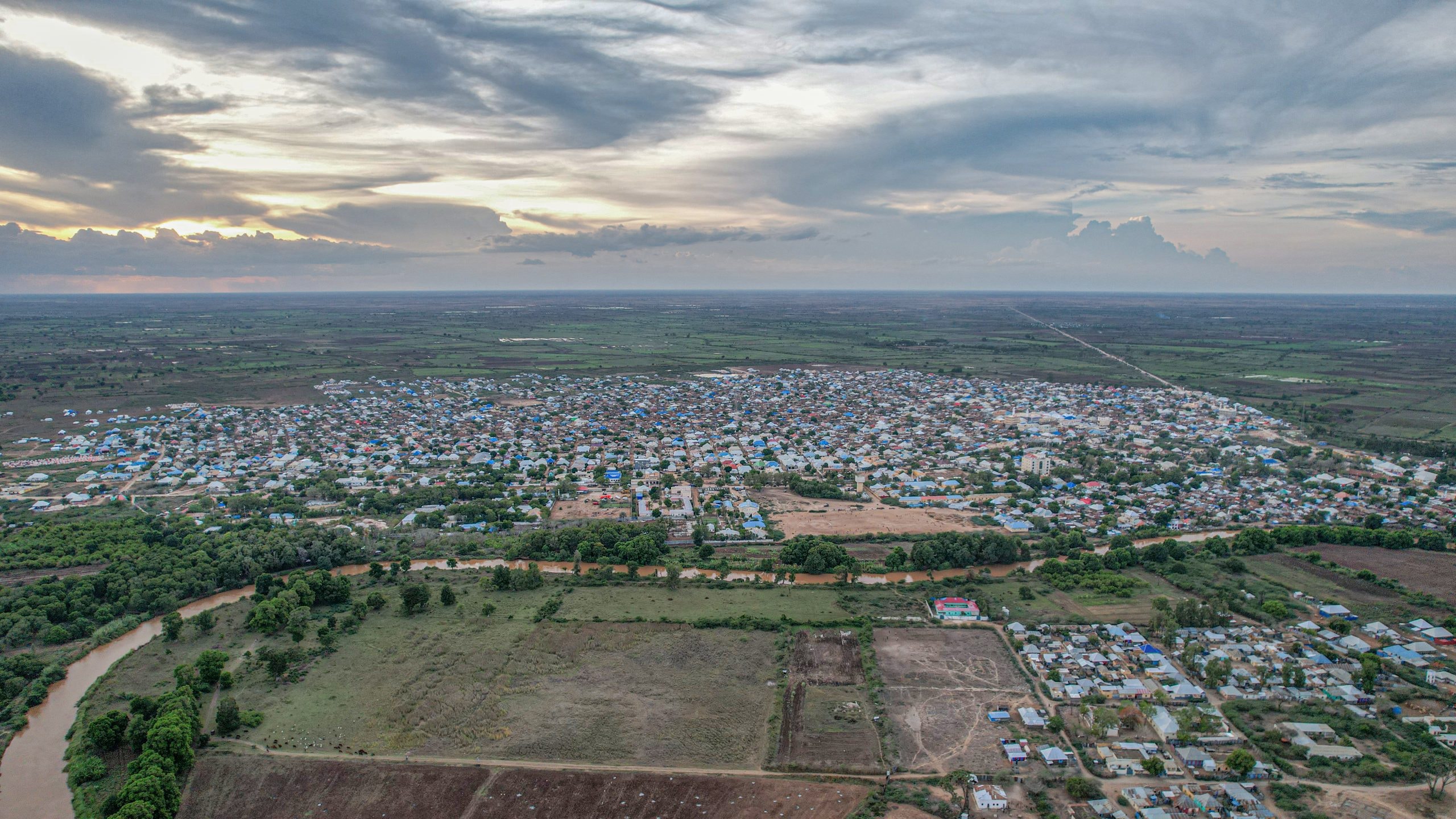
Over the past two years, I have had the privilege of visiting many towns across Somalia, yet I had never set foot in any of the towns in the Gedo region. That changed recently when I was assigned to the border town of Dolow.
Commercial flights to Dolow are currently unavailable due to ongoing tensions between the Jubaland State and the Federal Government of Somalia. Consequently, I travelled on a UNHAS flight, which operates exclusively for UN and international organization personnel.
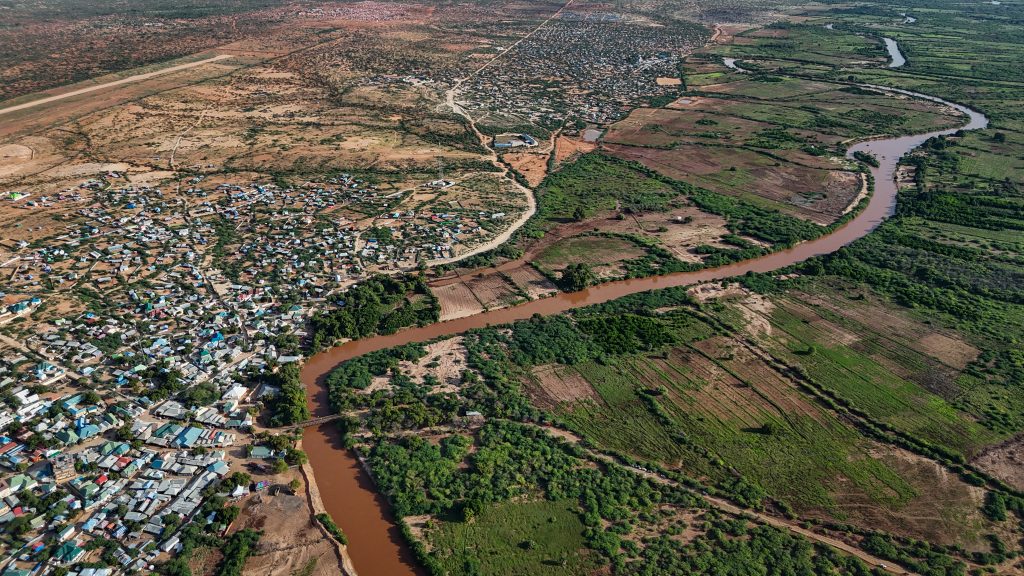
By Sunday morning, we had landed at Dawa airport in Dolow. The airport name refers to the Dawa River that joins another river in the town to form the Jubba River. The town is under the jurisdiction of the Jubaland state. The security is very tight. My colleague was waiting for me at the airport.
The town is full of security agents. A colleague advised me to always carry my ID in case security agencies stop and question me.
With the city being close to the Ethiopian border, many Ethiopians especially from the Oromo community work there. At the hotel where I stayed, both the cleaner and the receptionist were Ethiopian. The receptionist spoke Somali so well that I thought he was Somali until someone told me otherwise.
Ethiopian workers were visible across the town, including women working behind counters and others serving in the main restaurants. Ethiopian bunna is popular in many teashops, and injera is commonly found on the menus of larger eateries. Dolow is a border town, divided by a bridge over the Dawa River that separates Dolow in Somalia from Dolow Addo in Ethiopia. My friend and I crossed over to Dolow Addo. Near the bridge, two Somali soldiers were stationed. Vehicles are not allowed to pass, so people use donkey carts to transport goods across the border.
The soldiers frisk check pedestrians using their hands. Near the border bridge, there is a famous mango tree.
In the middle of the bridge, the flags of Somalia and Ethiopia stood side by side, about a meter apart. Below, children were swimming in the river. On the Ethiopian side, an older Ethiopian soldier was stationed near the checkpoint. He spoke surprisingly good English and even joked with us as he checked pedestrians, much like the soldiers on the other side.
Dolow Addo is larger and more populated than Dolow in Somalia. Most of the people living there are Somali, but many of the bigger businesses are owned by Ethiopians, especially from the Oromo community. Unlike the strict security in Dolow Somalia, here no one really asks why you are visiting or what you are doing.
Dolow is the place where the Jubba River forms. I had the chance to visit a historic place where three rivers meet. Dawa River goes through Ethiopia and parts of Kenya and Somalia. It is the river we crossed when we went to the Dolow Addo. Ganale River starts from the Ethiopian mountains east of Aleta Wendo. The Ganale River and Dawa River join in Dolow to become the Jubba River. The Ganale River is wider than the Dawa River. The Jubba River starts from where the two rivers meet.
Beledhawo
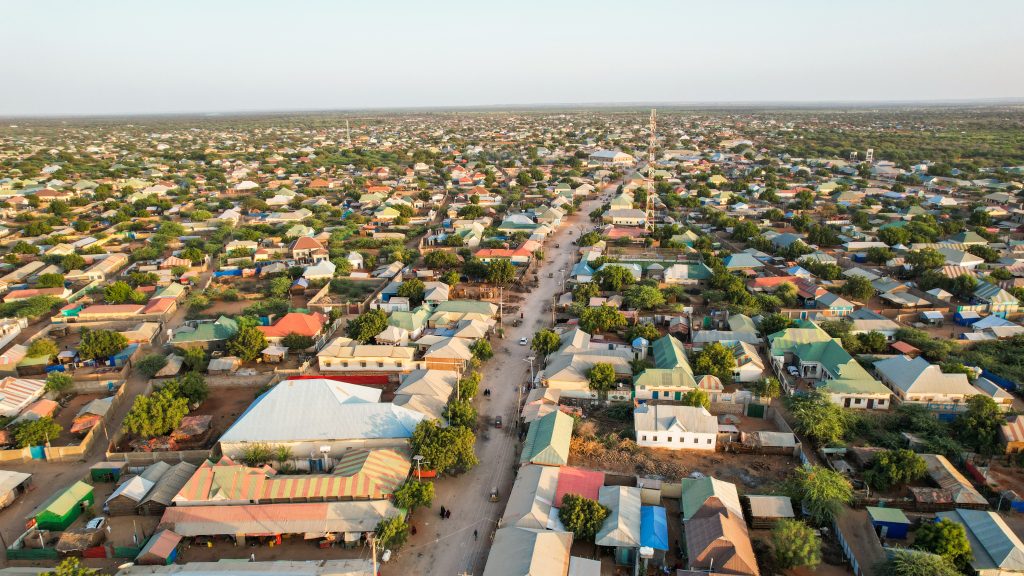
We left Dolow early in the morning and began our journey to Beled-Hawo, a key border town in the Gedo region. The distance between the two towns is roughly 30 kilometers, a drive that takes about half an hour along a mostly smooth dirt road lined with acacia trees and small settlements.
As we approached Beled-Hawo, the landscape became busier with the movement of trucks, donkey carts, and people crossing to and from Kenya through the Mandera border point. Beled-Hawo lies directly on the tri-border area connecting Somalia, Kenya, and Ethiopia, making it one of the most strategic and at times tense towns in southern Somalia.
Security in Beled-Hawo is complex. The town is jointly controlled by two forces: the Jubaland State army and the Somali National Army (SNA). The dual presence has occasionally led to tensions, but daily life continues with the resilience typical of border communities. Markets are lively, filled with goods imported from Kenya, and Somali shillings and Kenyan shillings circulate side by side. Beled-Hawo remains one of the most important commercial gateways in Gedo, connecting Somalia’s economy to its neighbors, even amid the ongoing security and administrative challenges.
Despite the heat and the heightened security, the journey to Dolow and Beledhawo turned out to be a truly memorable adventure. As I left, I carried with me a deep appreciation for the resilience and spirit of the communities there. I wish continued progress and success to the people of Dolow and Beledhawo.
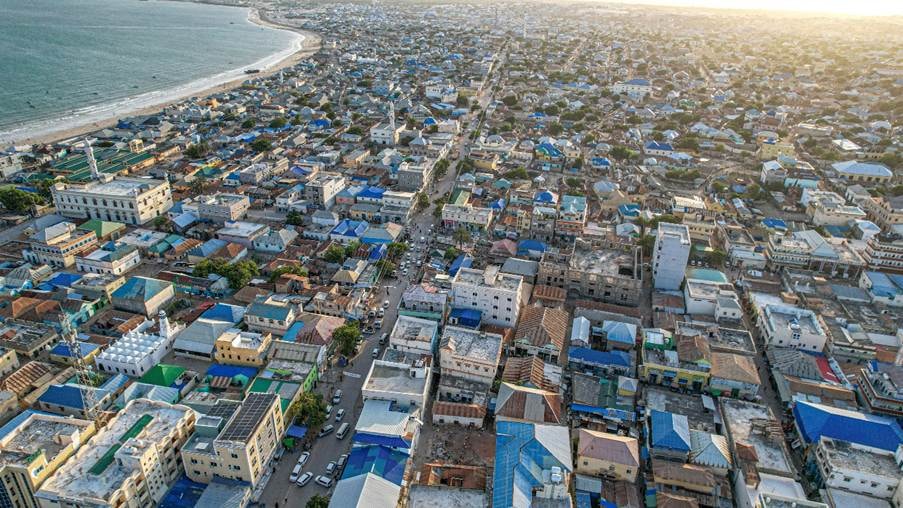
After three months, I travelled back to the coastal city of Kismayo, the capital of the Lower Jubba region and the interim capital of Jubaland state. This was m...
Although I have travelled to many Somali cities in the last year I had never been to Jowhar, the capital city of Middle Shabelle region. Jowhar is also the capi...
I left Baidoa in August 2018, just after finishing high school, to study at a university in Mogadishu. For the last six years, Mogadishu has been my home, and d...