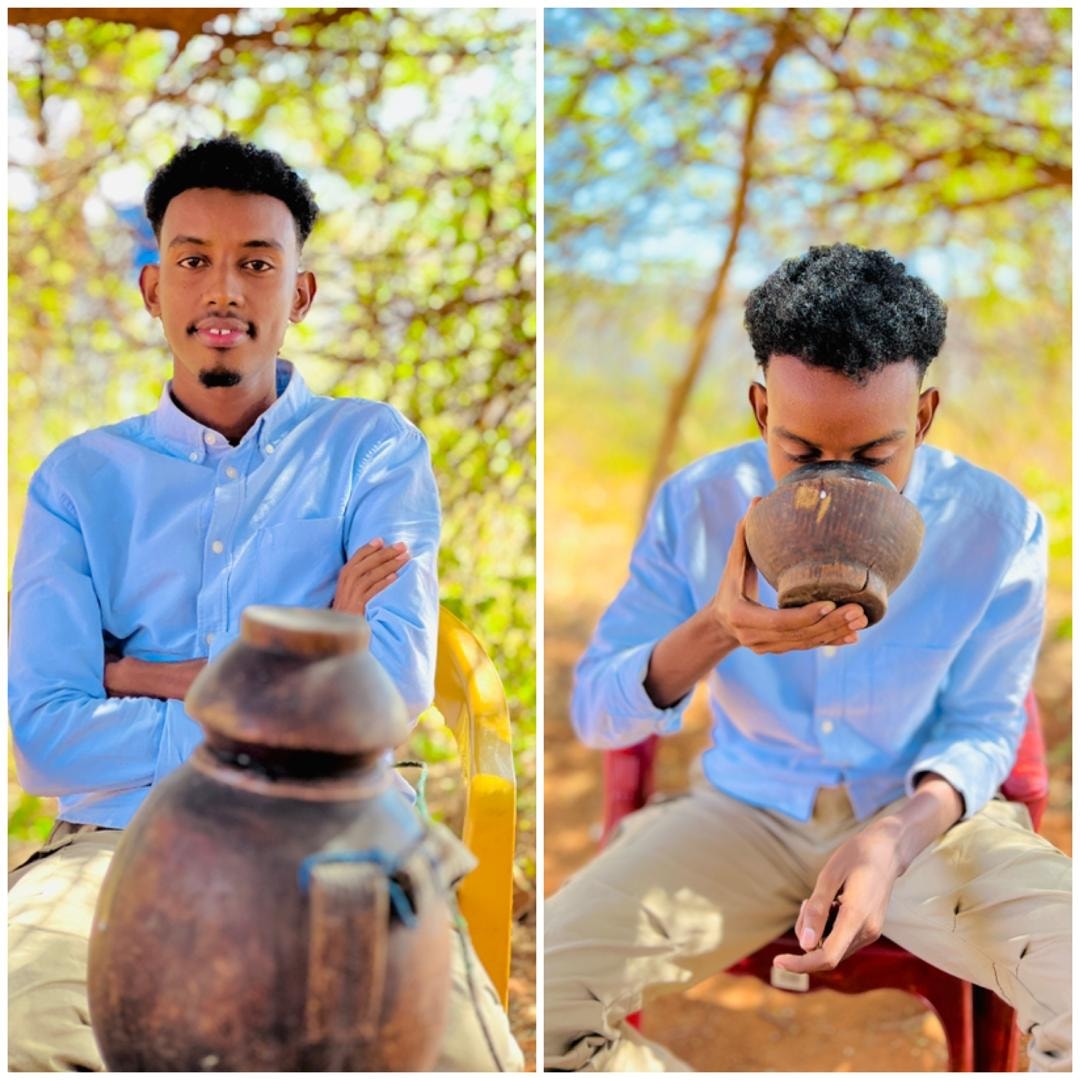
Photographer and blogger at IOM Somali Mission, focused on visual storytelling, communication, and content that informs, inspires, and connects people.
I am a photographer and blogger with a passion for visual storytelling and communication. I currently work as a Communications Assistant at IOM Somali Mission, where I support impactful storytelling and content creation.
Through my work, I focus on capturing meaningful moments and sharing stories that inform, inspire, and connect people.
Latest Blogs
Reflections on photography, communication, and meaningful stories from the field.
After three months, I travelled back to the coastal city of Kismayo, the capital of the Lower Jubba region and the interim capital of Jubaland state. This was m...
Yusuf Banani
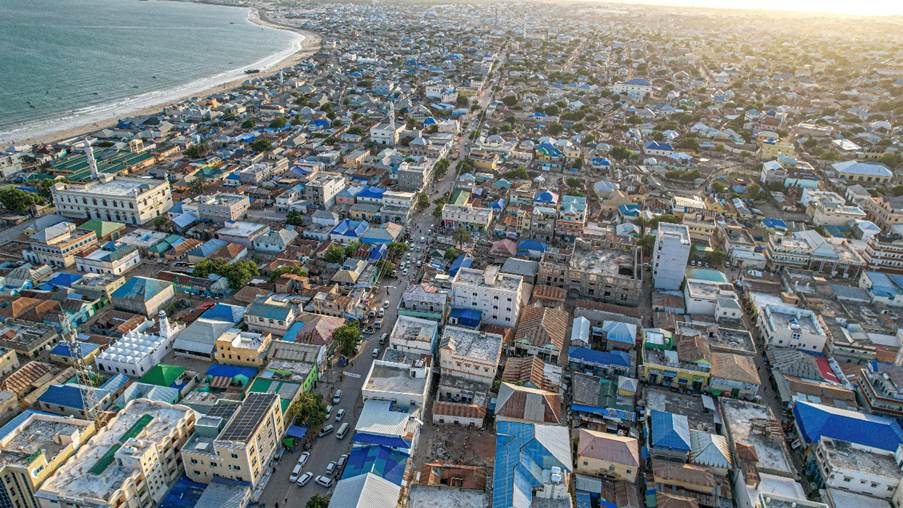
After three months, I travelled back to the coastal city of Kismayo, the capital of the Lower Jubba region and the interim capital of Jubaland state. This was my second visit to the city, having previously travelled there in May of this year. In 2019, the city’s airport was named after Sayid Mohamed Abdulle Hassan, the renowned religious and military leader of the Dervish Movement.
Given that I was carrying communications equipment such as cameras and drones, I anticipated additional scrutiny from Jubaland security and intelligence forces. Upon arrival, we were directed to an office where we were asked for our identification, the purpose of our visit, and to complete standard forms, including clan and sub-clan information. They also took our photos. This process lasted nearly an hour before we could reach the car waiting outside. The security officers explained that these procedures are standard for anyone arriving in Kismayo. While this process was not new to me, having travelled through the city before, I previously went through the section for ordinary citizens. The heightened screening may reflect The ongoing tensions between the Jubaland State and the Federal Government of Somalia.
The city was bathed in pleasant weather, with occasional rains softening the heat and giving the streets a fresh, vibrant feel. Near the airport, I noticed camels grazing nearby, adding a lively touch to the scenery. The weather was pleasant, with gentle breezes and clear skies, making the surroundings feel calm and welcoming. The area reflected a sense of everyday prosperity, with people going about their activities under the beautiful weather.
Kismayo is a coastal city, located near where the Jubba River flows into the Indian Ocean. The city relies on a single main water well by the seaside, and its water is used across the town. The tap water is salty, though some residents can access treated or bottled water from local companies.
I noticed signs of development in Kismayo, including the construction of tarmac roads and modern sewage systems. The city has one of the most advanced sewage systems I have seen in Somalia, collecting both waste and rainwater and discharging it into the sea. These improvements are part of the Nagaad Project, formerly known as the Somalia Urban Resilience Project. Buildings were being demolished and rebuilt as part of the road and sewage upgrades, and the work was ongoing as I observed the city.
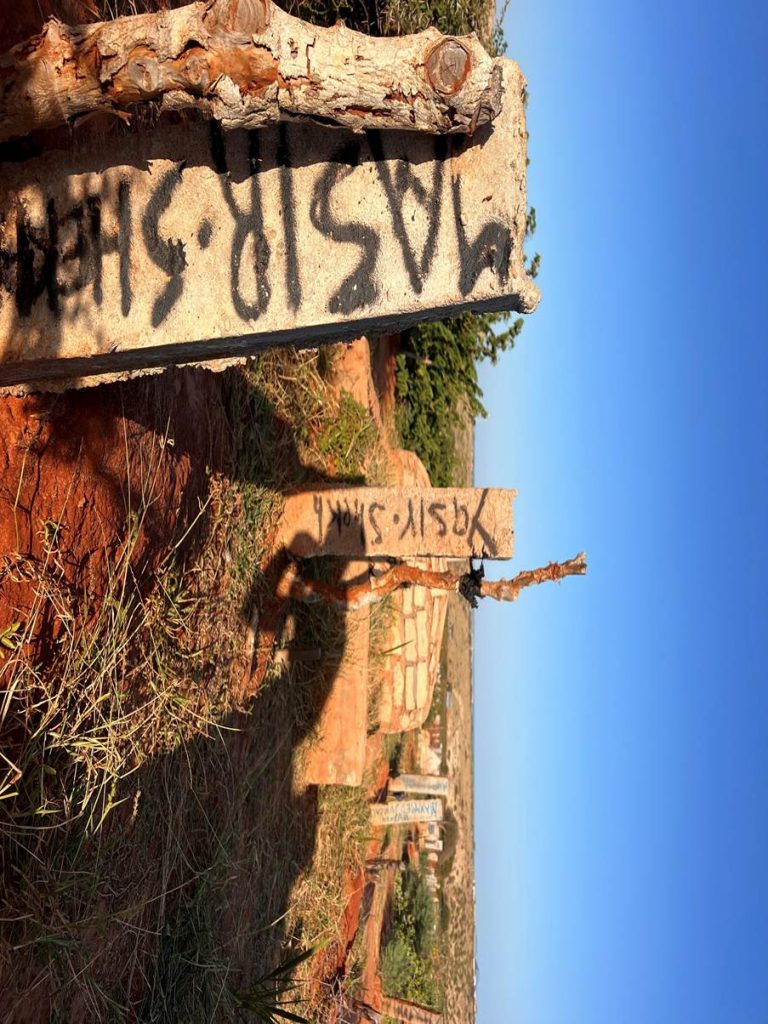
The most emotional moment of my visit was paying my respects at the grave of my uncle, Yasir Sheikh Birkan, at the Baar-Aleen cemetery. He lost his life in March 2024 during a battle in the Baar Sanguuni area, a part of Kismayo. I prayed for him, asking Allah to have mercy on his soul. Yasir was a close family member and dear friend, and his passing brought profound sadness to me and our entire family.
One afternoon, I visited Kismayo’s Liido Beach in Faanoole village with a friend from the city, Abdikani Surow. Liido Beach is a clean and picturesque spot, located near Guriga Martida (Guest House), where Jubaland hosts high-level delegates. The beach doubles as a football field for local youth, and several teams were playing matches along the shore. We enjoyed a long walk, took photos, and breathed in the fresh sea air, soaking in the vibrant atmosphere of the beach.
Unlike other cities, Kismayo does not allow bajaj transport, likely for security reasons. Instead, people rely on taxis to get around. The town has several registered taxi companies, alongside privately owned taxis. Despite the abundance of taxis, fares are very affordable around $1 per trip almost the same as, or even less than, what people pay for bajaj rides in Mogadishu. The low fares seem to result from competition among the taxi companies and the large number of vehicles available in the city.
I thoroughly enjoyed my brief stay in Kismayo, savoring its local flavors, including the famous Halwo Kismayo, which I took with me as a memorable treat. I leave the city with warm memories and heartfelt wishes for a bright and prosperous future for its people.
Over the past two years, I have had the privilege of visiting many towns across Somalia, yet I had never set foot in any of the towns in the Gedo region. That c...
Although I have travelled to many Somali cities in the last year I had never been to Jowhar, the capital city of Middle Shabelle region. Jowhar is also the capi...
I left Baidoa in August 2018, just after finishing high school, to study at a university in Mogadishu. For the last six years, Mogadishu has been my home, and d...